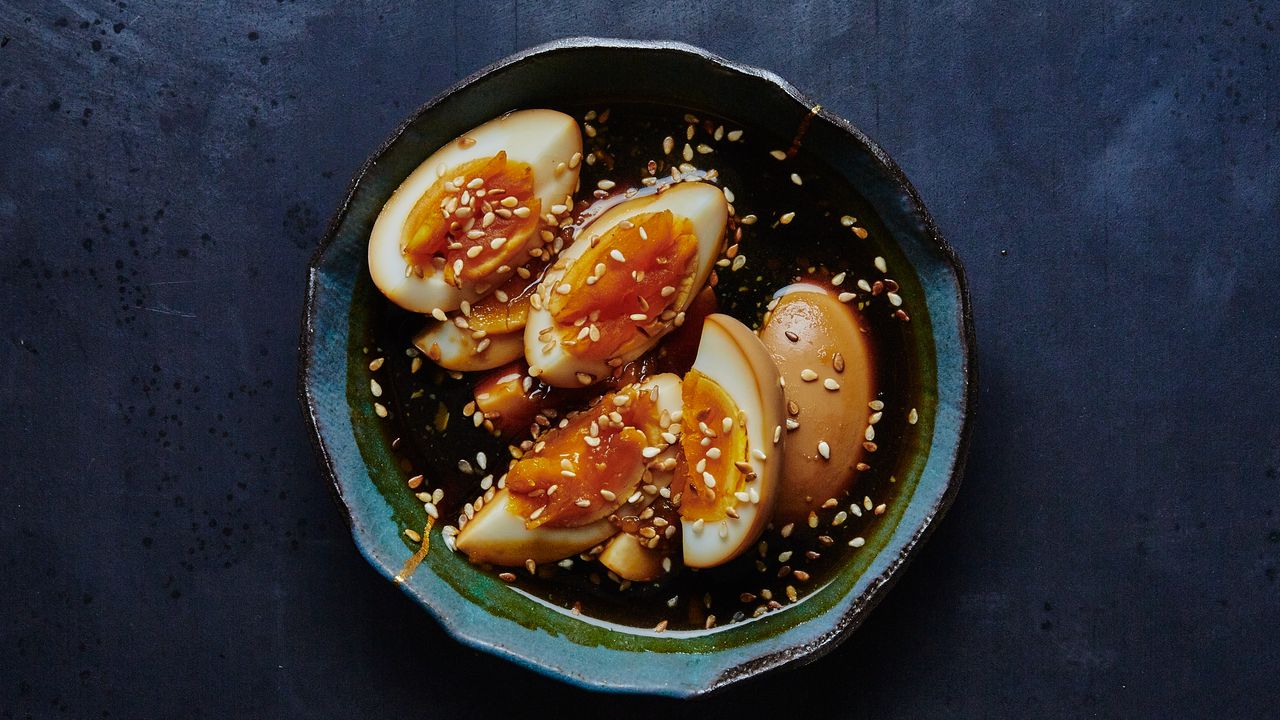
Elevating Your Soy Sauce Eggs: Creative Infusions and Flavor Pairings
You've mastered the basics of creating those delightful, umami-rich soy sauce eggs, perhaps by following guides like our soy sauce eggs - Article 1 which covered the fundamental steps. Now, it's time to venture beyond the traditional and unlock a world of creative possibilities that can transform your simple marinated eggs into truly gourmet experiences. While the classic soy sauce egg is a marvel in itself, a few thoughtful additions to your marinade can introduce layers of complexity and cater to a wider range of palates. Think of your marinade as a blank canvas, ready for an infusion of exciting flavors.
Herbal & Spice Infusions for Deeper Flavor
Introducing aromatic herbs and spices to your soy sauce egg marinade is perhaps the easiest way to add depth and a unique character. These ingredients don't just add flavor; they can also impart a subtle fragrance that elevates the entire dish.
- Ginger & Garlic: A timeless combination in Asian cuisine. Thinly sliced fresh ginger and crushed garlic cloves can add a pungent, warming note. For a milder flavor, toast them lightly before adding to the marinade.
- Star Anise: A single star anise pod can impart a beautiful, slightly licorice-like sweetness and aroma, reminiscent of Chinese five-spice powder. It pairs exceptionally well with the savory notes of soy.
- Chili Flakes/Bird's Eye Chili: For those who appreciate a kick, a pinch of red chili flakes or a whole bird's eye chili (sliced or pricked) can add a pleasant heat. Adjust the quantity to your preferred spice level.
- Sichuan Peppercorns: These unique peppercorns offer a distinctive "mala" (numbing and spicy) sensation. A few crushed peppercorns can add an intriguing, exotic twist to your soy sauce eggs.
To infuse these flavors effectively, gently simmer your marinade with the chosen aromatics for 5-10 minutes before letting it cool completely. This allows the ingredients to release their essential oils and flavors into the liquid.
Citrus Zest & Umami Boosters for a Bright Finish
Don't shy away from unexpected additions! Citrus zest can provide a bright counterpoint to the rich umami, while other ingredients can simply amplify the savory depth.
- Orange or Lemon Zest: A few strips of zest (avoiding the bitter white pith) from an orange or lemon can add a vibrant, fresh aroma and a subtle fruity note that cuts through the richness.
- Dried Shiitake Mushrooms: Rehydrated dried shiitake mushrooms (and their soaking liquid) are a powerhouse of umami. Adding a few pieces to your simmering marinade, or even finely chopping them and adding them, will deepen the savory profile considerably.
- Kombu (Dried Kelp): A small strip of kombu, traditionally used for dashi, can introduce glutamates that enhance the overall umami of your soy sauce eggs without drastically altering the core flavor.
Achieving the Perfect Sweet & Savory Balance
Many traditional soy sauce egg recipes, including those explored in soy sauce eggs - Article 2, already incorporate a touch of sweetness. However, understanding how to fine-tune this balance is key to customization.
- Mirin: This sweet rice wine is a staple in Japanese marinades, offering a gentle sweetness and gloss. It's often paired with sake or rice vinegar.
- Honey or Brown Sugar: For a deeper, more caramelized sweetness, a teaspoon or two of honey or brown sugar can be used. These also help to achieve a beautiful glossy finish on your soy sauce eggs.
- Apple Cider Vinegar: While often associated with sourness, a small splash of apple cider vinegar can actually brighten flavors and add a subtle tang that complements the richness, creating a more complex profile without making the eggs taste overtly vinegary.
Remember, the goal is balance. Start with small quantities and adjust to your taste preferences. Each additional ingredient should enhance, not overpower, the distinct flavor of the soy sauce eggs.
Mastering the Art of Marinating: Tips for Deeper Flavor in Soy Sauce Eggs
While the ingredients in your marinade are crucial, the marinating process itself plays an equally vital role in achieving intensely flavorful soy sauce eggs. It's not just about soaking; it's about understanding how to optimize absorption and ensure even flavor distribution.
Ideal Marinating Time: How Long is Too Long?
The duration of marination directly impacts the flavor intensity and color of your soy sauce eggs.
- Minimum Marination: For a noticeable flavor and color, aim for at least 6-8 hours. This is typically enough for the eggs to absorb some of the marinade's essence.
- Optimal Marination: The sweet spot for most recipes is 12-24 hours. During this period, the eggs develop a rich, savory flavor and an appealing light brown hue.
- Maximum Marination: While it's tempting to marinate longer for more flavor, going beyond 2-3 days can lead to excessively salty eggs with a firmer, rubbery texture, especially for the whites. The beautiful jammy yolk might also start to dry out.
Pro Tip: If you prefer a lighter flavor, you can remove the eggs earlier. If you want a more intense experience, ensure your initial marinade isn't overly salty, as the flavor will concentrate over time.
Temperature Matters: Ensuring Even Marination
Always marinate your soy sauce eggs in the refrigerator. This is not only crucial for food safety but also for consistent flavor absorption. Cold temperatures slow down the process slightly, allowing for a more gradual and even permeation of the marinade into the egg whites and yolks.
Key for Even Coloring: To prevent one side of your eggs from being darker than the other, use a container that allows the eggs to be fully submerged in the marinade. If your container isn't deep enough, consider using a Ziploc bag and squeezing out excess air, which helps the eggs stay fully coated. Alternatively, gently rotate the eggs once or twice during the marinating period.
Reusing and Storing Marinade: Safety and Flavor Retention
Many home cooks wonder if they can reuse the delicious marinade. The answer is often yes, with some important caveats:
- Reusing Safely: If your marinade contained raw garlic, ginger, or other fresh ingredients, or if it was simmering and then cooled, it's generally safe to reuse once. However, you should bring it to a rolling boil for several minutes to sterilize it after removing the eggs, then cool it completely before storing or reusing.
- Flavor Degradation: Be aware that the flavor profile of the marinade might change slightly after reuse. It will be diluted by the egg's moisture and will have imparted some of its intense flavors to the eggs.
- Storage: Store used and re-boiled marinade in an airtight container in the refrigerator for no more than 3-5 days. If you plan to store it longer, it's best to freeze it. However, for optimal flavor and safety, many chefs recommend making a fresh batch each time.
Gentle Handling: Avoiding Damage to the Egg Whites
After all the effort of achieving that perfect soft-boiled egg, it would be a shame to damage it during marination. Always handle your peeled eggs with care. Use a spoon or slotted ladle to gently place them into and remove them from the marinade. Avoid dropping them or stirring vigorously, as this can bruise or break the delicate egg whites, leading to an unsightly appearance and uneven marination.
Beyond Ramen: Innovative Serving Suggestions for Soy Sauce Eggs
While the soy sauce egg is famously known as a ramen accompaniment, its versatility extends far beyond a bowl of noodles. These savory, jammy delights can elevate a multitude of dishes, adding a burst of umami and a satisfying texture. Let's explore some creative ways to incorporate soy sauce eggs into your daily meals.
Breakfast & Brunch Brilliance
Start your day with a protein-packed and flavorful punch by integrating soy sauce eggs into your morning routine.
- Avocado Toast Upgrade: Slice a soy sauce egg in half and place it atop your favorite avocado toast. A sprinkle of everything bagel seasoning or chili flakes can make this a gourmet breakfast.
- Savory Rice Bowls: Combine steamed white or brown rice with some sautéed greens, a drizzle of sesame oil, and two halved soy sauce eggs. Add some kimchi or pickled vegetables for extra crunch and tang.
- Congee Companion: For a comforting breakfast, serve sliced soy sauce eggs with a bowl of warm congee (rice porridge). Their rich flavor complements the subtle taste of the congee beautifully.
- Breakfast Burrito Booster: Chop up a soy sauce egg and add it to your breakfast burrito or taco for an unexpected twist on a classic.
Lunch & Dinner Transformations
From light salads to hearty stir-fries, soy sauce eggs can be the star or a supporting player in your mid-day and evening meals.
- Elevated Salads: Forget plain hard-boiled eggs! Halved soy sauce eggs add significant flavor and visual appeal to any green salad. They pair exceptionally well with Asian-inspired dressings.
- Stir-Fry Sensation: Roughly chop or halve soy sauce eggs and toss them into your vegetable or chicken stir-fry just before serving. Their texture and flavor mingle wonderfully with the stir-fried components.
- Noodle Dishes (Beyond Ramen): Experiment with other noodle dishes! Try them with cold soba noodles dressed in a light soy-sesame sauce, or as a topping for spicy Dan Dan noodles or simple udon soup.
- Rice Ball (Onigiri) Filling: Chop the eggs finely and mix them with a touch of mayonnaise and perhaps some furikake for a unique and delicious onigiri filling.
- Gyoza or Dumpling Accompaniment: Serve whole or halved soy sauce eggs alongside a plate of pan-fried gyoza or steamed dumplings for a more substantial meal.
Snacks & Appetizers
Sometimes, simplicity is key. Soy sauce eggs make for an excellent snack on their own or with minimal accompaniment.
- Simple Snack: Enjoy a whole soy sauce egg on its own as a quick, protein-rich snack. A sprinkle of black sesame seeds or a tiny dash of Togarashi can enhance the experience.
- Party Platter Addition: Arrange halved soy sauce eggs on an appetizer platter alongside other small bites like edamame, spring rolls, or fresh vegetables with dip. Their distinctive color and taste will make them a talking point.
- Sandwich Filler: Slice them and add them to a simple sandwich with some crisp lettuce and a touch of Japanese mayo for a flavorful upgrade.
The beauty of soy sauce eggs lies not just in their taste but also in their adaptability. Don't be afraid to experiment and find new, exciting ways to enjoy this culinary delight in your everyday cooking.
Troubleshooting Your Soy Sauce Eggs: Common Issues and Solutions
Even with a solid recipe, preparing perfect soy sauce eggs can sometimes present challenges. From uneven coloring to overly salty flavors, a few common issues can arise. Understanding these problems and knowing how to fix them will ensure your soy sauce eggs are consistently delicious and visually appealing.
Uneven Coloring: Why Some Areas are Darker
One of the most common complaints is an unevenly colored egg, with some parts of the white remaining pale while others absorb the rich brown hue of the marinade.
- The Problem: The eggs were not fully submerged in the marinade, or they were left undisturbed in a shallow pool, allowing only one side to marinate.
- The Solution:
- Ensure Full Submersion: Use a container that is deep enough for the eggs to be completely covered by the marinade.
- Use a Ziploc Bag: A small freezer-safe Ziploc bag is excellent for this. Place the eggs and marinade inside, squeeze out all the air, and seal. The bag will conform to the eggs, ensuring full contact.
- Rotate Regularly: If using a container where full submersion isn't possible, gently rotate the eggs every few hours (e.g., when you open the fridge) to expose all surfaces to the marinade.
- Paper Towel Trick: Place a piece of folded paper towel or parchment paper directly on top of the eggs in the marinade to keep them submerged.
Too Salty or Not Flavorful Enough: Adjusting the Marinade
Achieving the perfect balance of saltiness and savory depth is key to a delicious soy sauce egg. Sometimes, the marinade can go awry.
- Too Salty:
- The Problem: The soy sauce ratio was too high, or the eggs were marinated for too long.
- The Solution:
- Dilute the Marinade: For future batches, reduce the amount of soy sauce and increase water or other liquid components (like mirin, sake, or dashi).
- Reduce Marinating Time: If you suspect over-marination, remove the eggs sooner in the next batch.
- Emergency Fix (for already marinated eggs): If the eggs are already too salty, you can try serving them with bland components like plain rice or unsalted avocado to balance the flavor. There's no effective way to remove salt once it's absorbed.
- Not Flavorful Enough:
- The Problem: The marinade was too weak, or the eggs weren't marinated long enough.
- The Solution:
- Increase Marinating Time: Allow the eggs to marinate for the optimal 12-24 hours.
- Strengthen the Marinade: For future batches, increase the proportion of soy sauce, or add umami boosters like dried shiitake mushrooms, kombu, or more aromatics (ginger, garlic).
- Use a Concentrated Marinade: Some recipes call for a reduced marinade, which is more potent.
Rubbery Whites or Non-Jammy Yolks: Perfecting the Boil
While this issue typically happens before marination, it's critical to the final texture of your soy sauce eggs.
- The Problem: The eggs were boiled for too long (rubbery whites, hard yolks) or not long enough (whites too soft to peel, yolks too runny if a jammy texture is desired).
- The Solution:
- Precise Timing: For a perfect jammy yolk and tender white, consistently aim for 6-7 minutes in boiling water, followed immediately by an ice bath. Adjust slightly based on egg size and altitude.
- Ice Bath is Non-Negotiable: Immediately plunging the eggs into an ice bath halts the cooking process, preventing overcooking and making them easier to peel.
- Freshness Matters: Slightly older eggs (about 1 week old) tend to peel much easier than very fresh eggs.
Short Shelf Life: Proper Storage is Key
You've made a beautiful batch of soy sauce eggs, and you want them to last.
- The Problem: Eggs spoiling quickly or developing off-flavors.
- The Solution:
- Refrigerate Promptly: Always store marinated eggs in an airtight container in the refrigerator immediately after marinating.
- Keep Submerged: If possible, keep them in their marinade during storage, ensuring they are fully covered.
- Consume Within: While opinions vary, it's best to consume homemade soy sauce eggs within 3-5 days for optimal freshness and safety, especially if the marinade contained fresh aromatics. If the marinade was boiled and sterilized, they might last a day or two longer, but freshness declines.
By understanding and addressing these common issues, you can consistently produce perfect, flavorful soy sauce eggs that are a joy to eat and a testament to your culinary skill.
From infusing your marinade with exotic spices to transforming your breakfast plate, soy sauce eggs offer an exciting playground for culinary creativity. By understanding how to customize your flavors, optimize the marinating process, and serve them in imaginative ways, you're not just making a dish; you're crafting an experience. Don't be afraid to experiment with new combinations and serving ideas, letting your palate be your guide. These versatile, umami-packed eggs are a testament to how simple ingredients, handled with care and creativity, can yield truly extraordinary results, making every meal a little more special.
